
Spherical Contact Lenses
Shop spherical contact lenses online in Australia with fast delivery and competitive prices. Correcting short-sightedness (myopia) and long-sightedness (hyperopia) with a uniform power across the lens, spherical lenses are the most widely prescribed contact lens type in Australia. Available in daily, fortnightly, and monthly options across all major brands. All orders are dispatched from Australia. Private health fund rebates may apply we're recognised by most major Australian health funds.

Understanding Your Spherical Prescription
A spherical contact lens prescription is the most straightforward type. Here's what each value means:- Sphere (SPH): The optical power of your lens. A minus (−) value corrects short-sightedness (myopia); a plus (+) value corrects long-sightedness (hyperopia)
- Base Curve (BC): The curvature of the back surface of the lens, which determines how the lens sits on your eye. This is measured by your optometrist during a fitting
- Diameter (DIA): The physical size of the lens across its surface
- No CYL value: If your prescription has no cylinder (CYL) or axis values, you do not have significant astigmatism and a spherical lens is appropriate. If a CYL value is present, your optometrist will advise whether a toric lens is needed instead
Which Spherical Lens Is Right For You?
Spherical lenses are right for you if:
- Consistent Prescription: Your prescription includes a sphere (SPH) value and no cylinder (CYL) correction
- Existing Wearer: You have been previously fitted with a spherical contact lens and are reordering the same product
- New to Lenses: You are new to contact lenses and your optometrist has determined you do not have significant astigmatism
You may need a different lens type if:
- Astigmatism Correction: Your prescription includes a CYL value you may need a toric lens for astigmatism correction
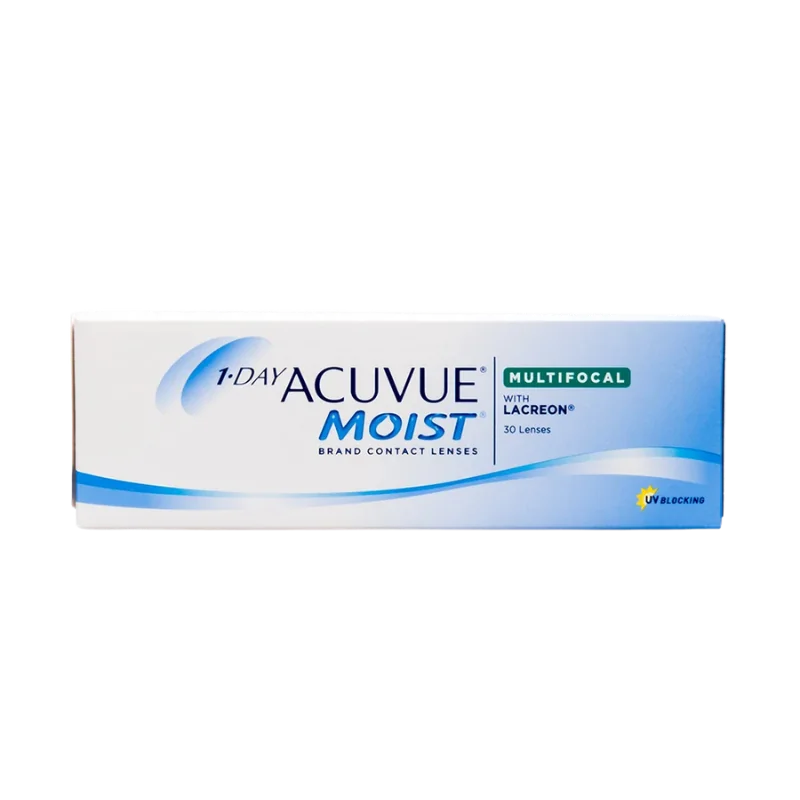
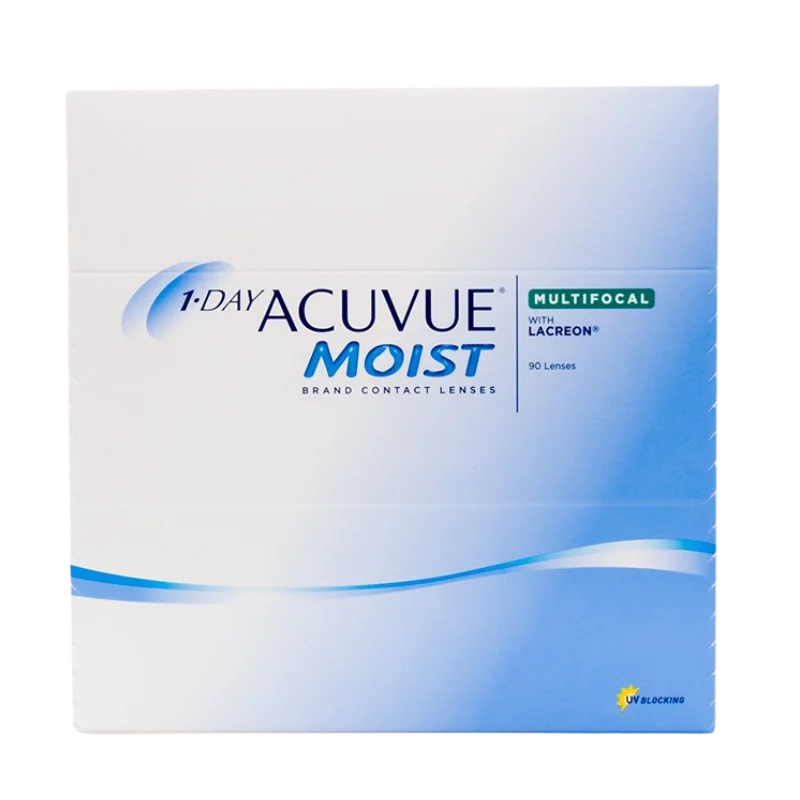
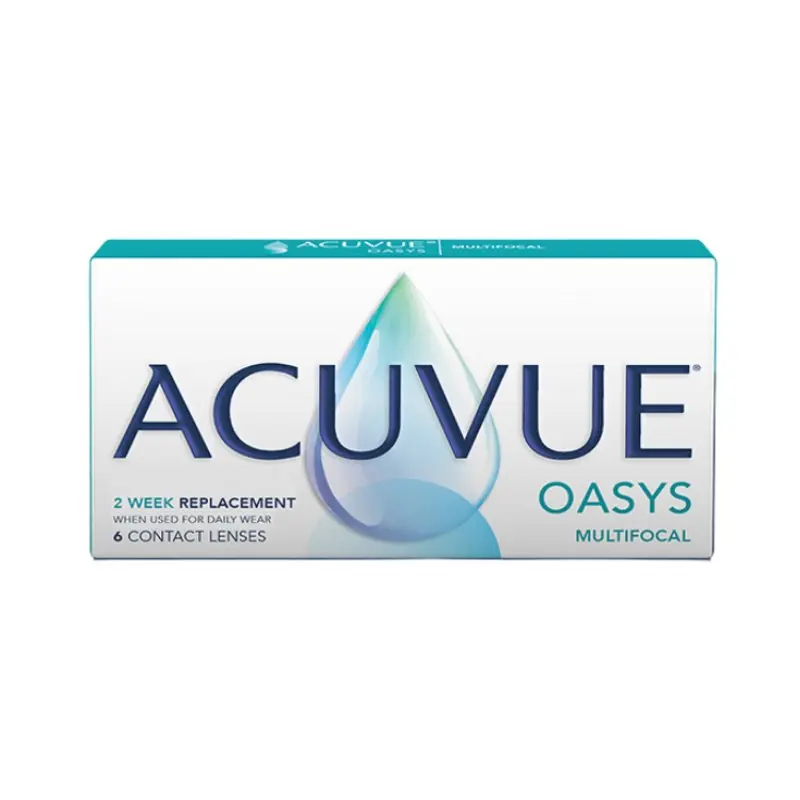
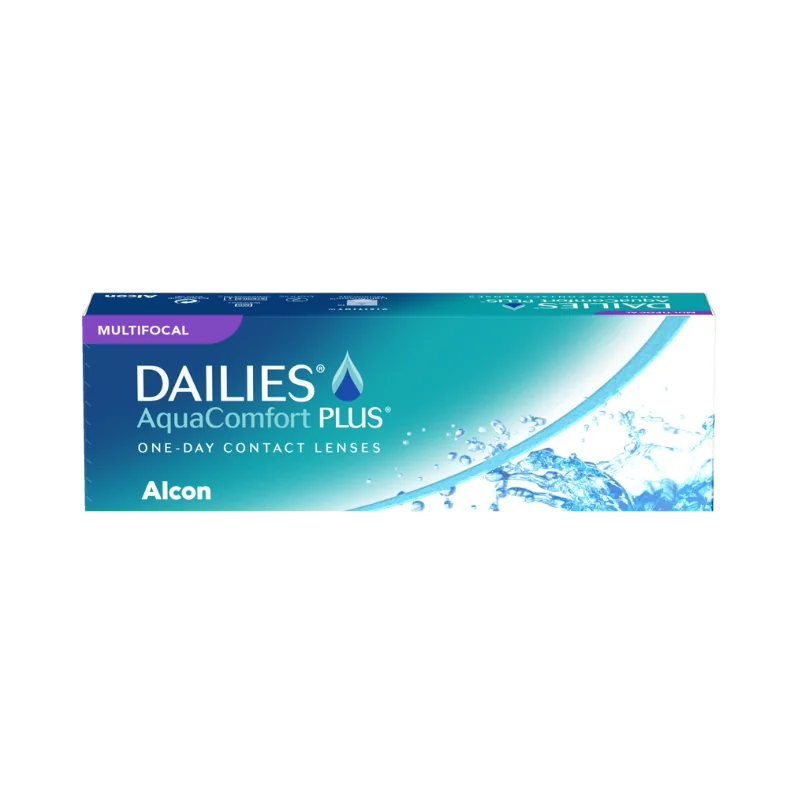
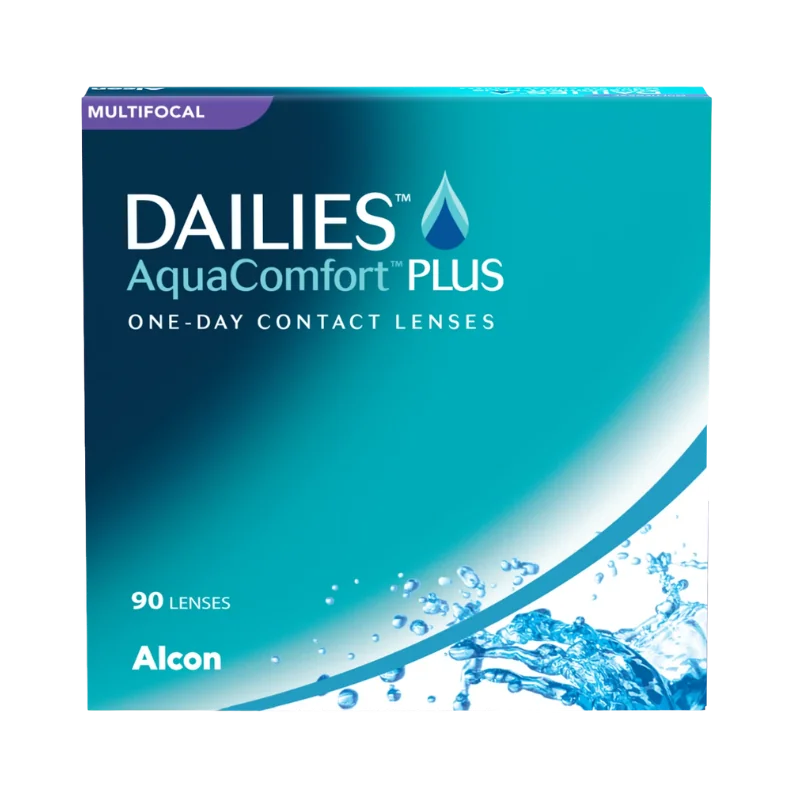
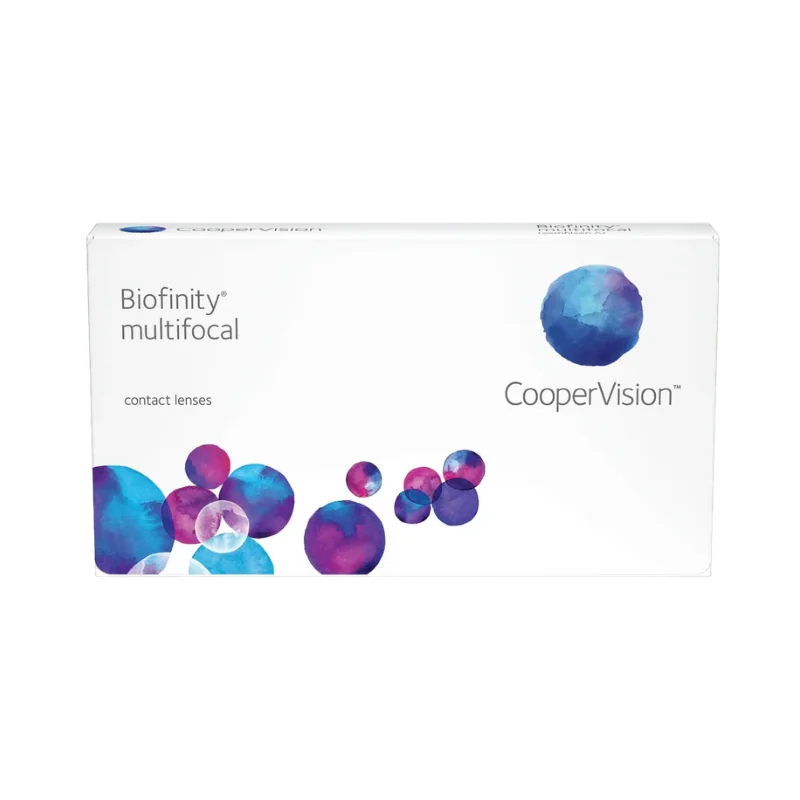
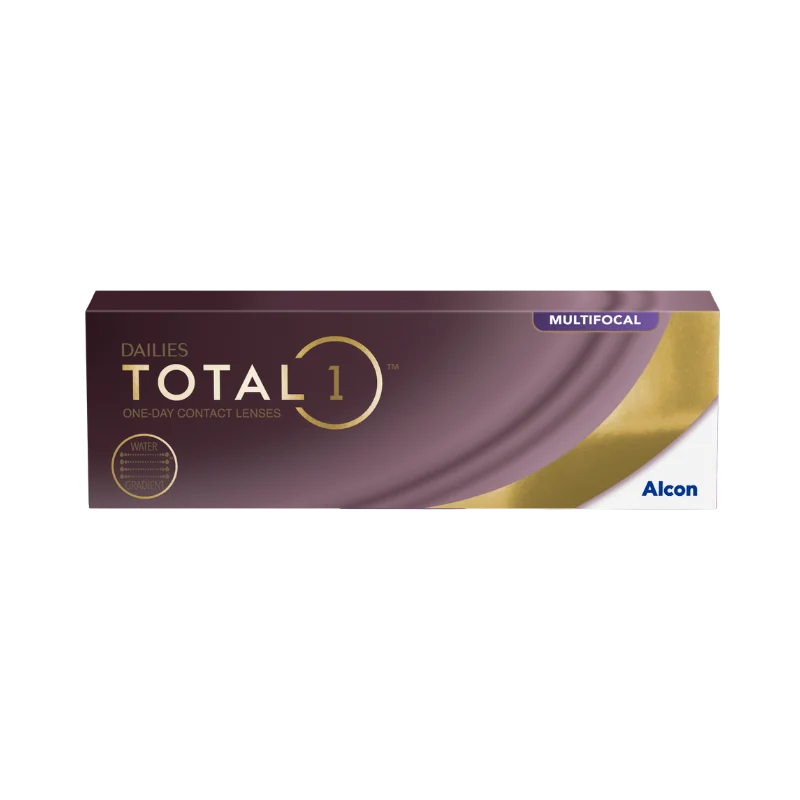
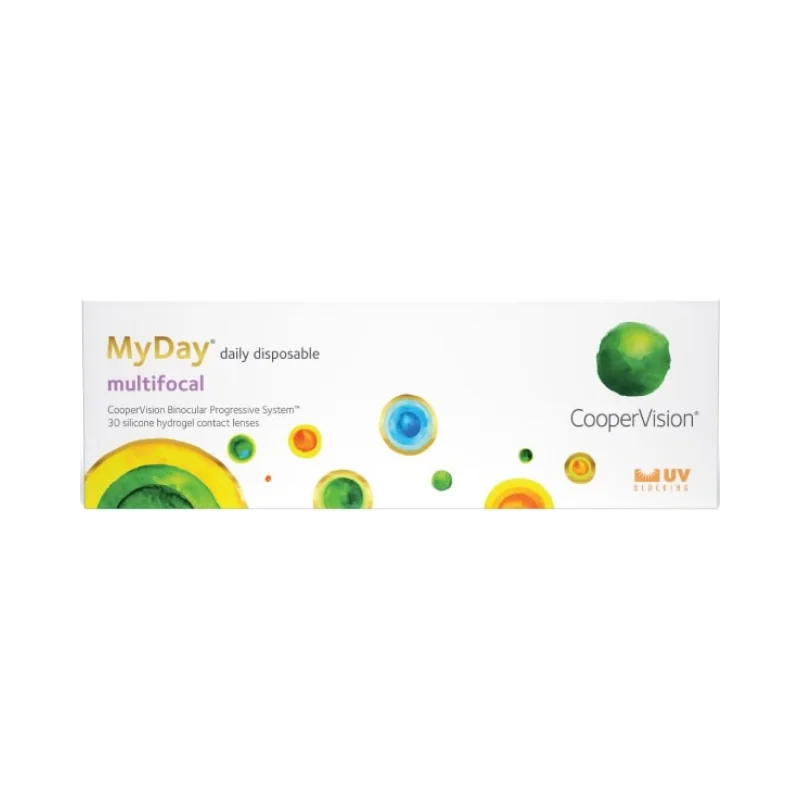
- Near-Vision Difficulty: You are in your mid-40s or older and finding it difficult to read up close you may benefit from a multifocal lens instead; ask your optometrist
Browse Spherical Lenses by Replacement Schedule
Daily disposable spherical lenses
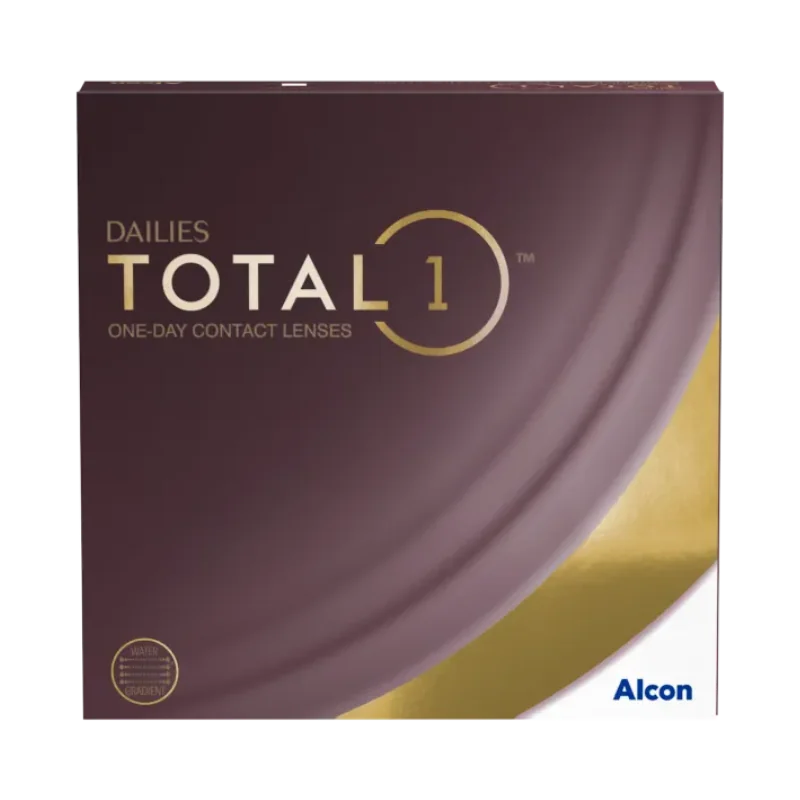
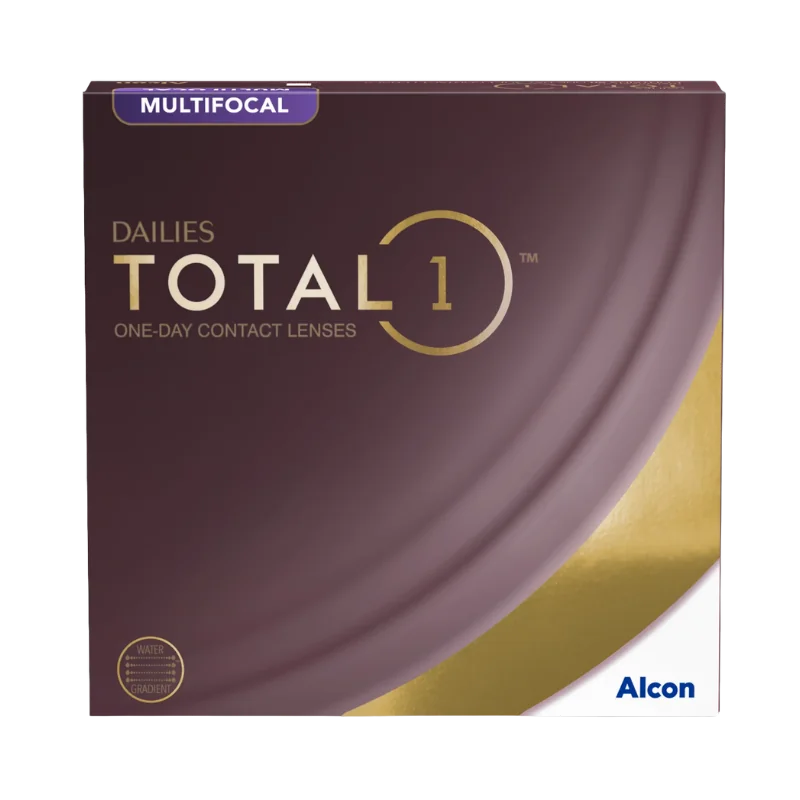
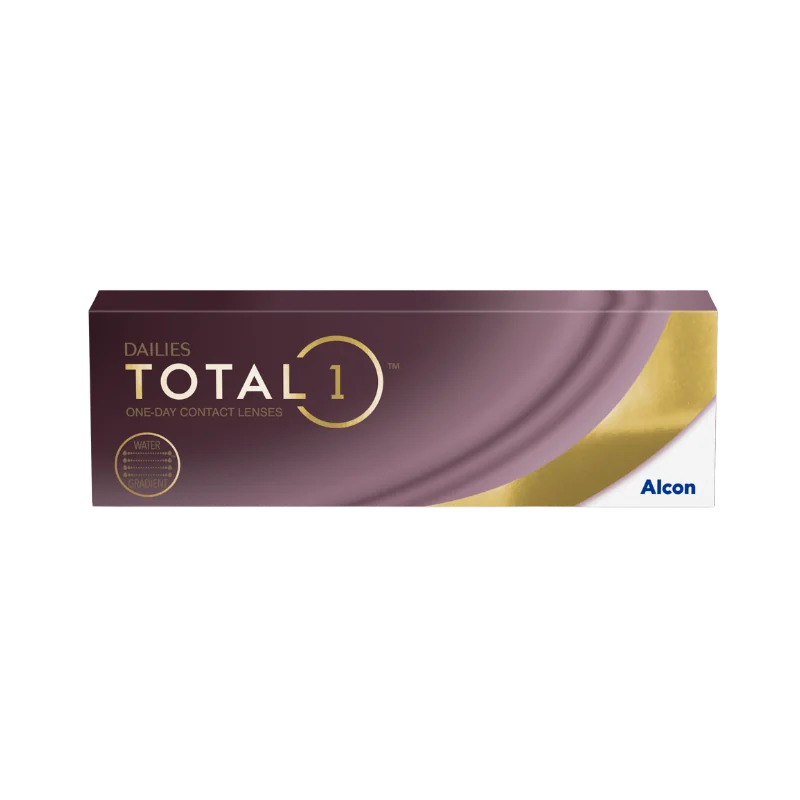
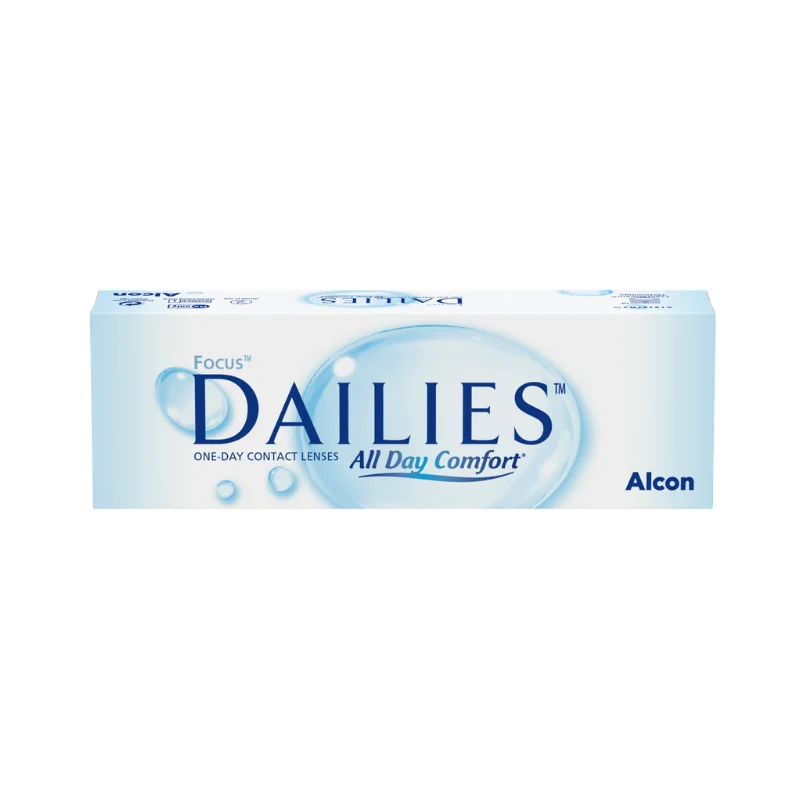
- DAILIES TOTAL1 Alcon's flagship daily lens; a unique water gradient surface means nearly 100% water touches the eye for a near-invisible wearing experience, ideal for dry or sensitive eyes
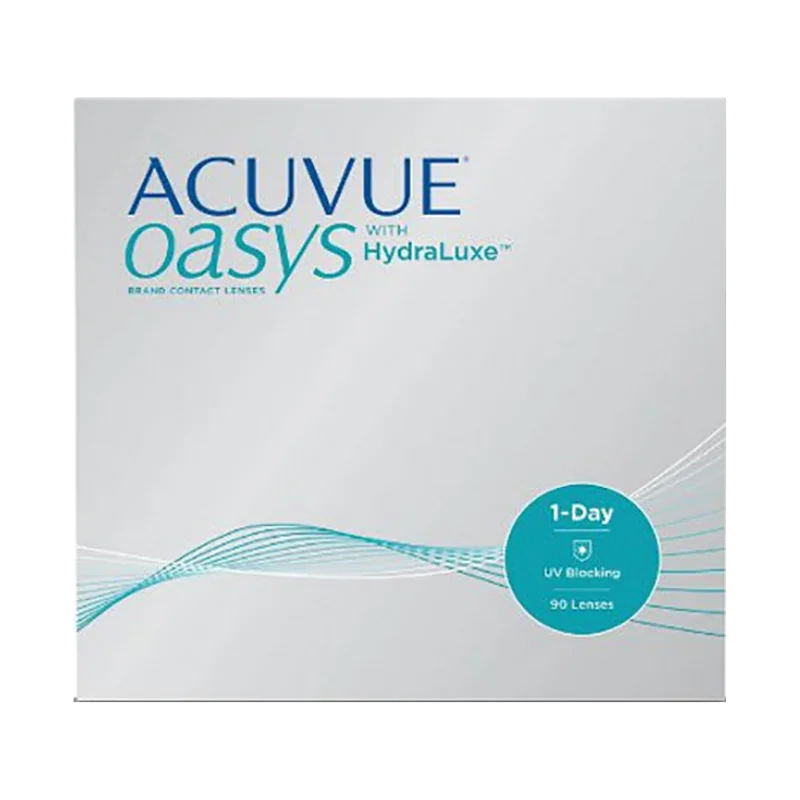
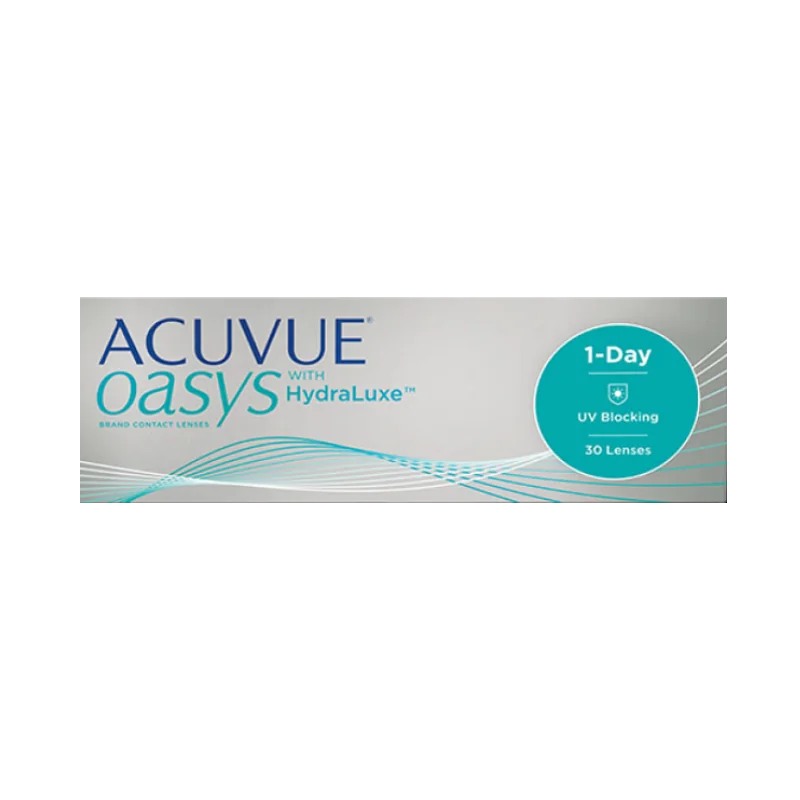
- 1-Day ACUVUE OASYS HydraLuxe® Technology supports a stable tear film during visually demanding days and extended screen time; a top choice for digital device users
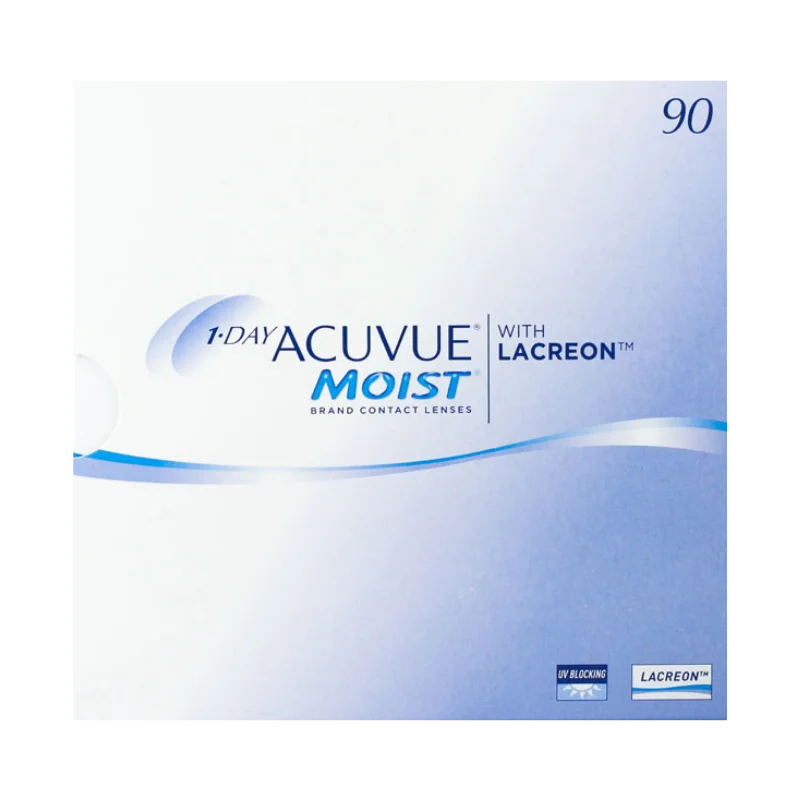
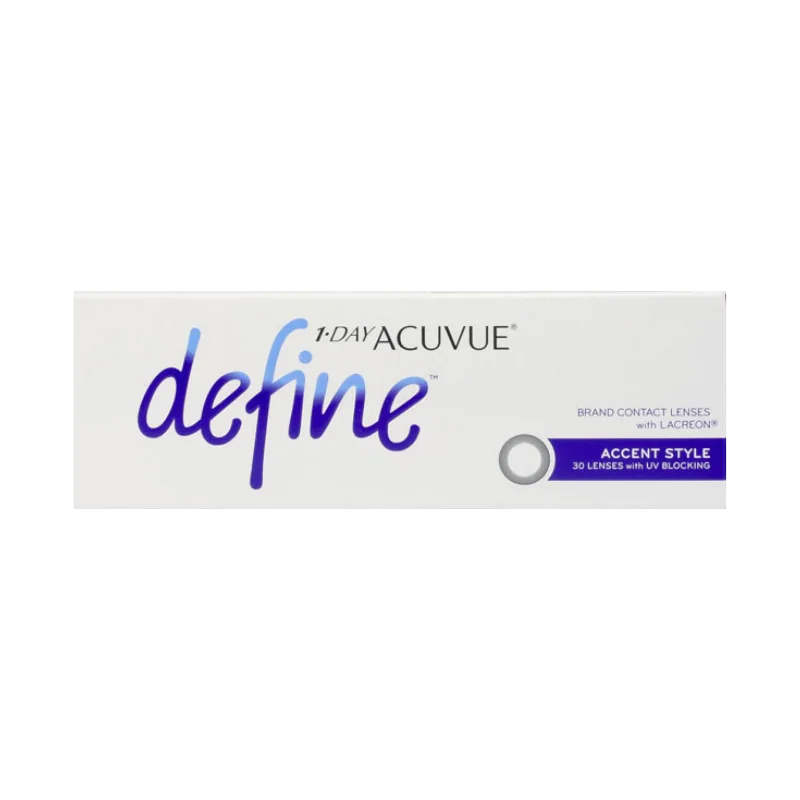
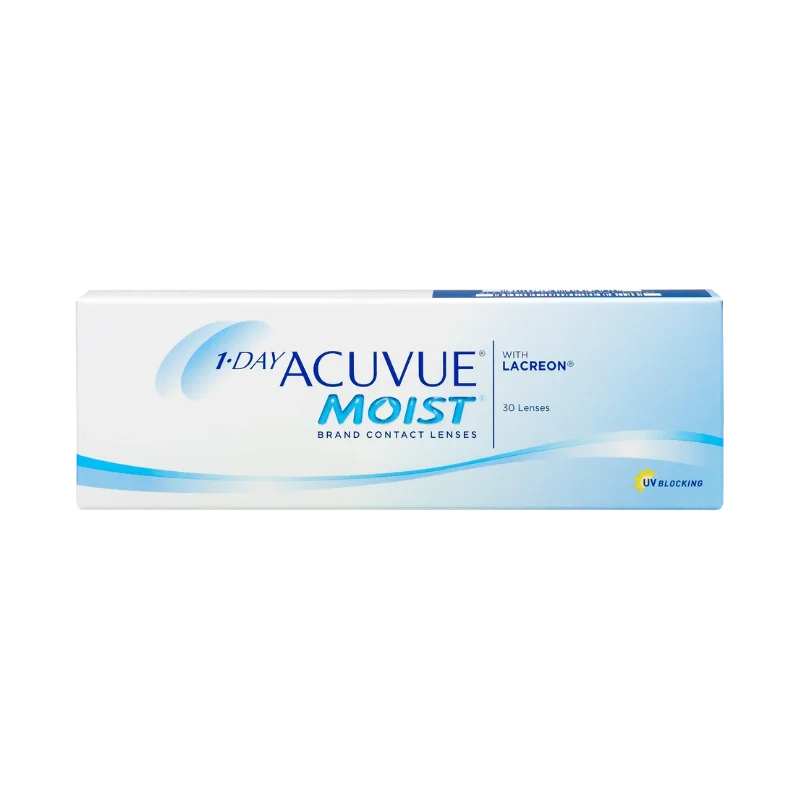
- 1-DAY ACUVUE MOIST LACREON® Technology provides a long-lasting moisture cushion for up to 20 hours; a well-established, reliable daily for everyday wearers
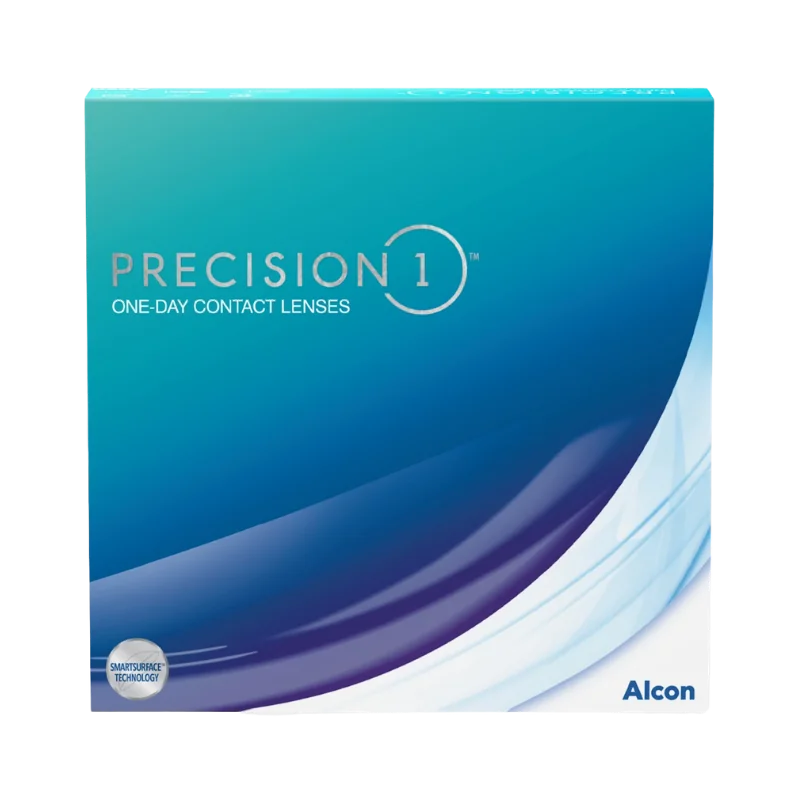
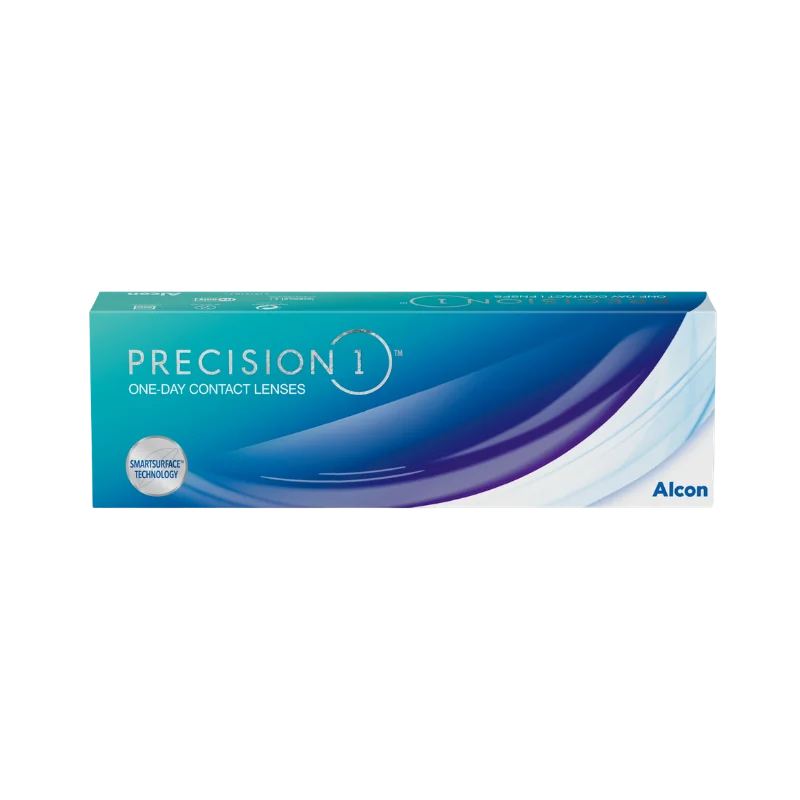
- PRECISION1 SMARTSURFACE® Technology maintains a high-moisture outer layer for a smooth, comfortable daily wearing experience from Alcon
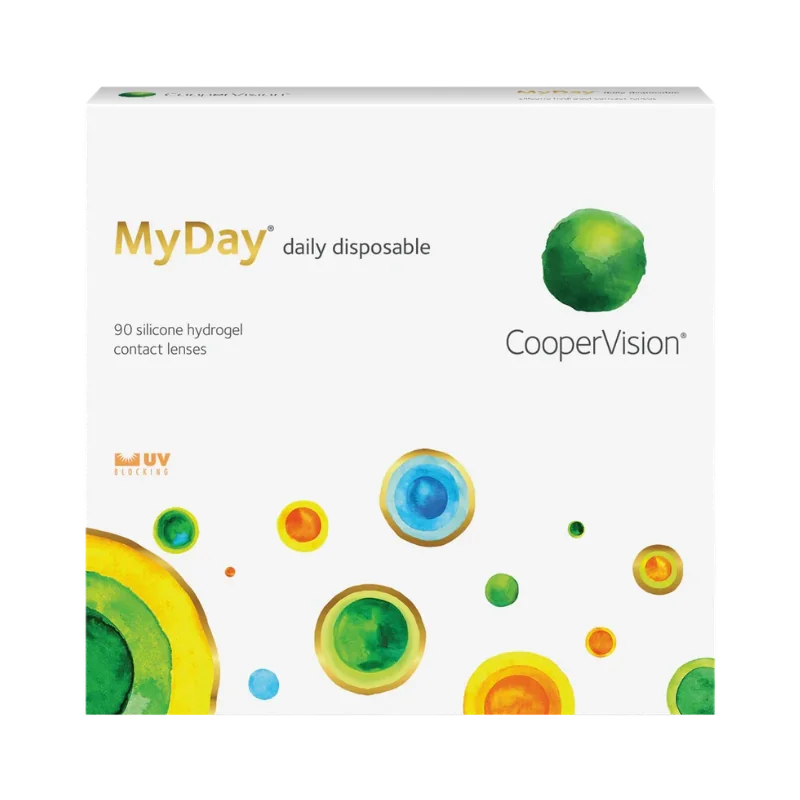
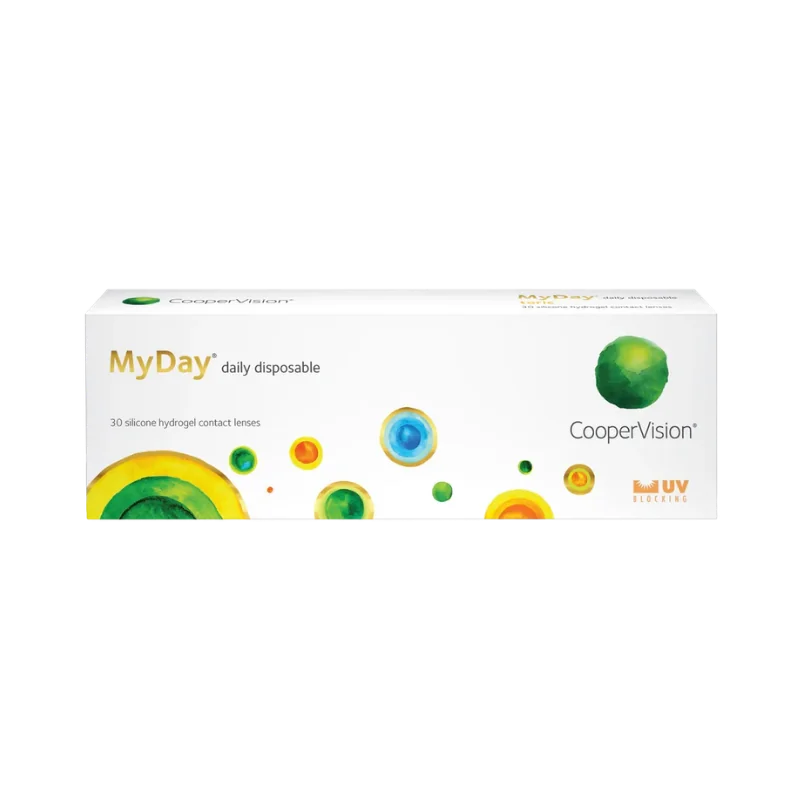
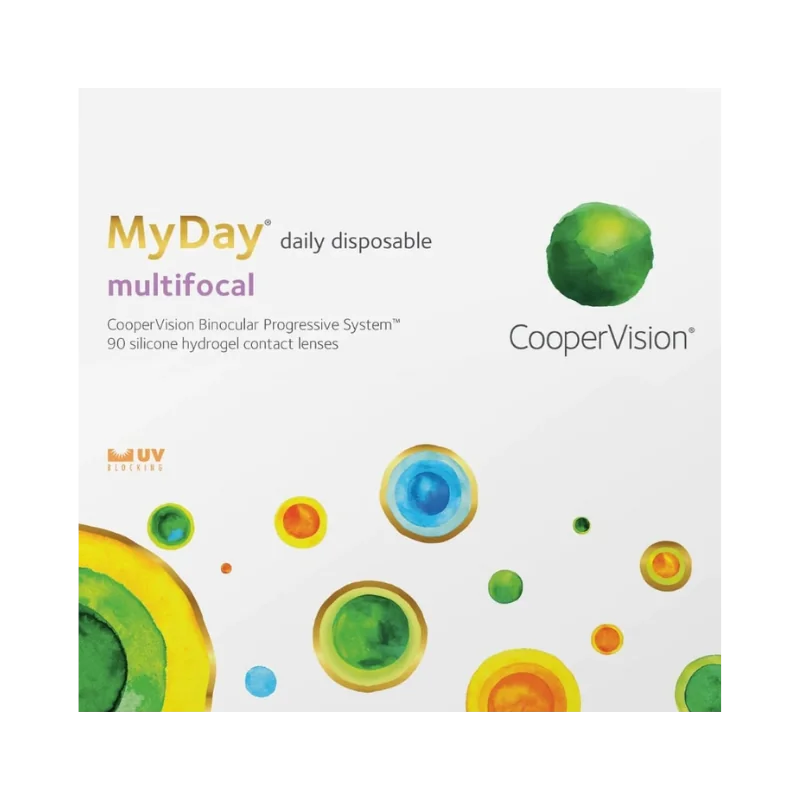
- MyDay, CooperVision's premium daily silicone hydrogel; naturally inspired material with high oxygen transmissibility and a soft, comfortable fit
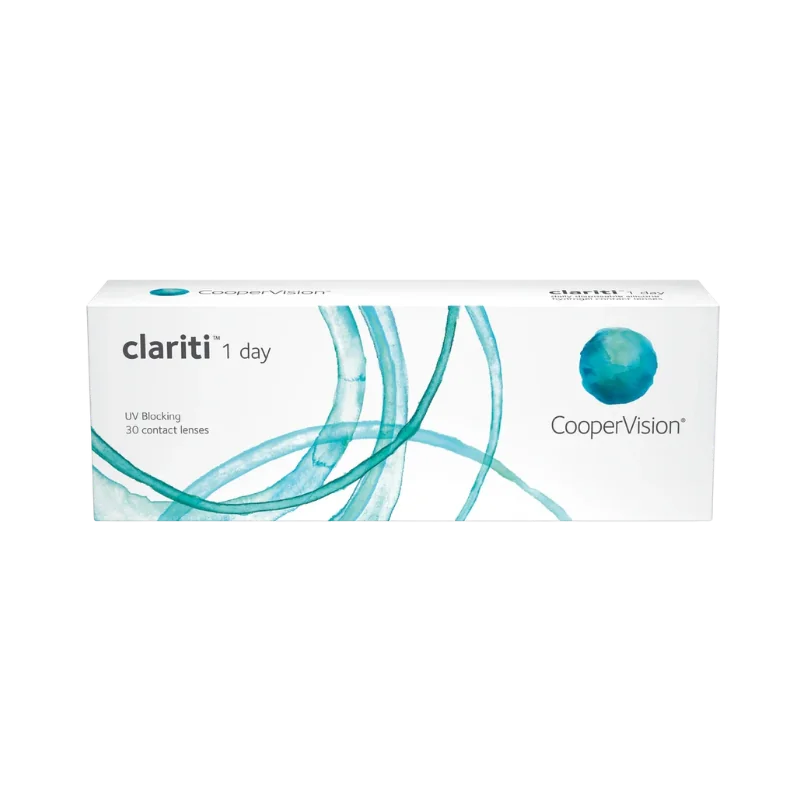
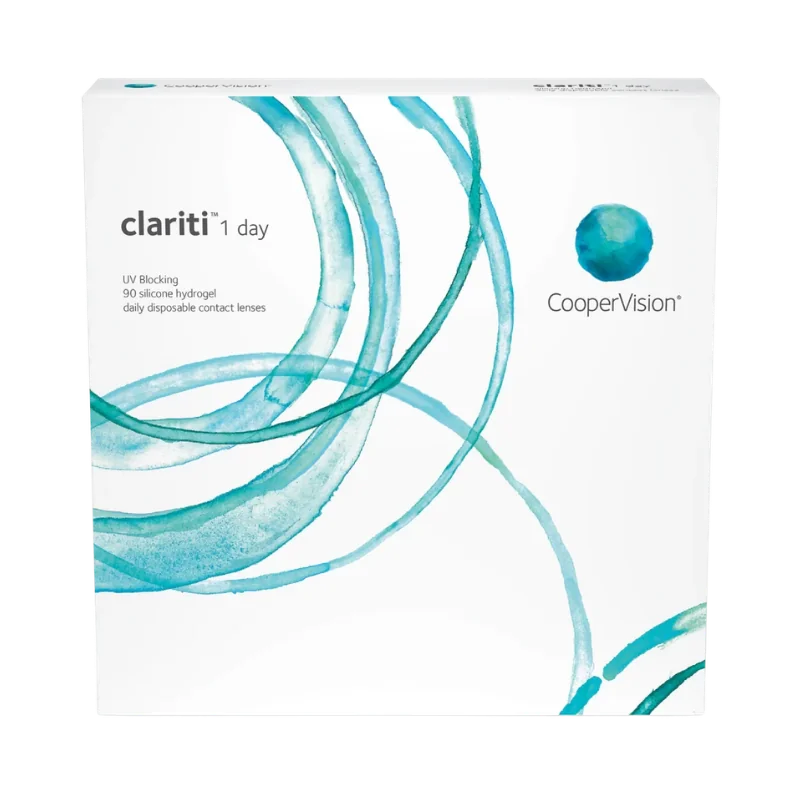
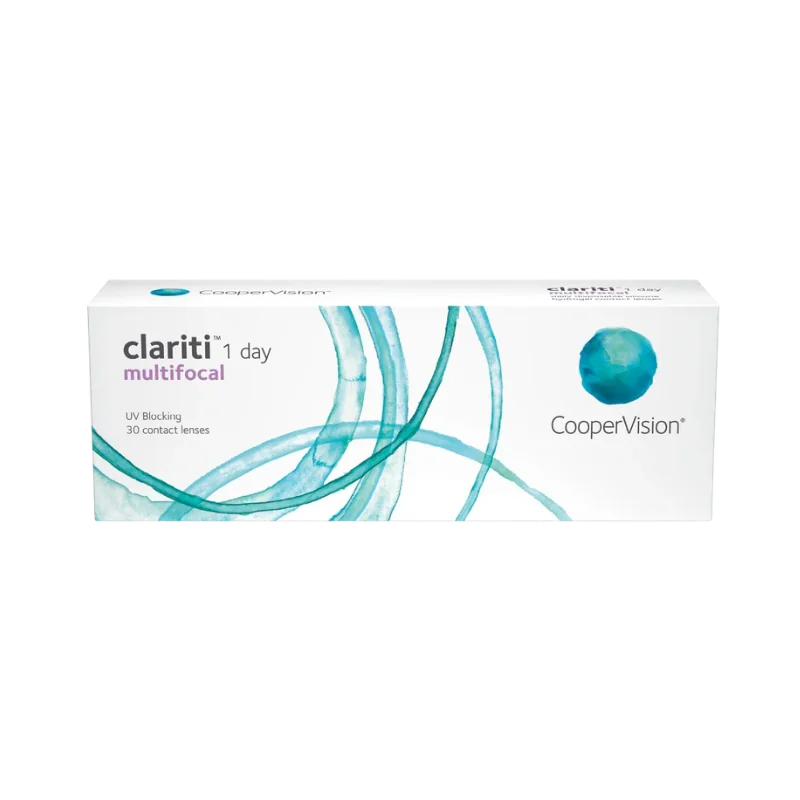
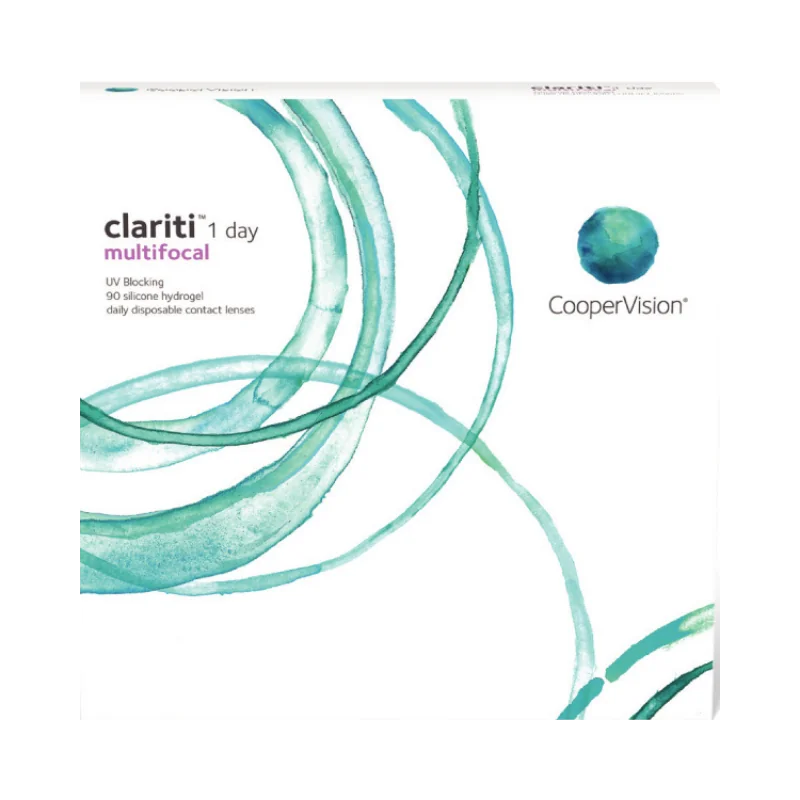
- clariti 1 day 100% silicone hydrogel daily from CooperVision with Wetloc® Technology locking in moisture; reliable breathable correction at an accessible price point
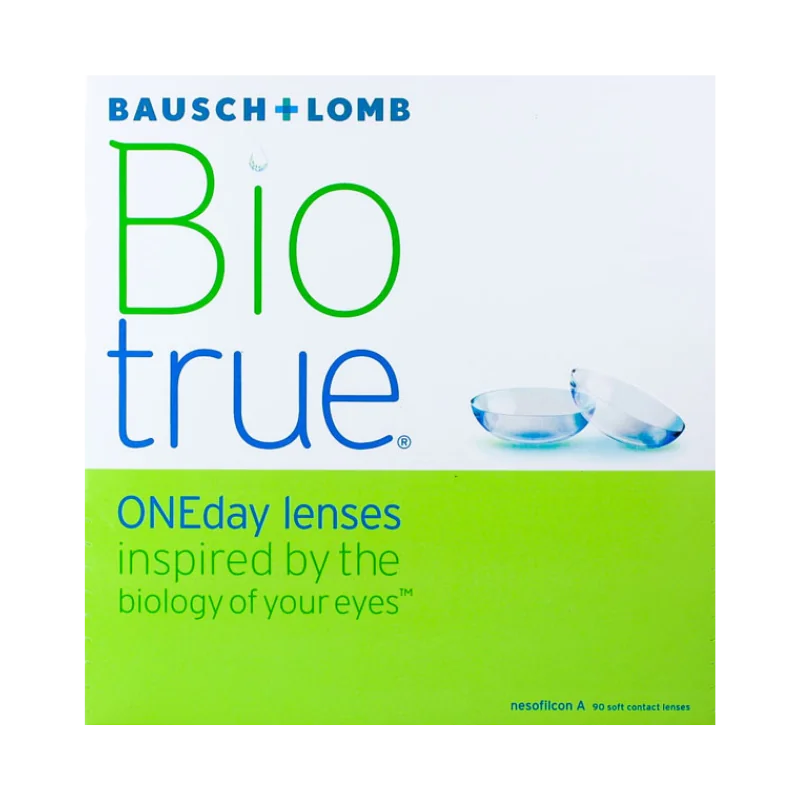
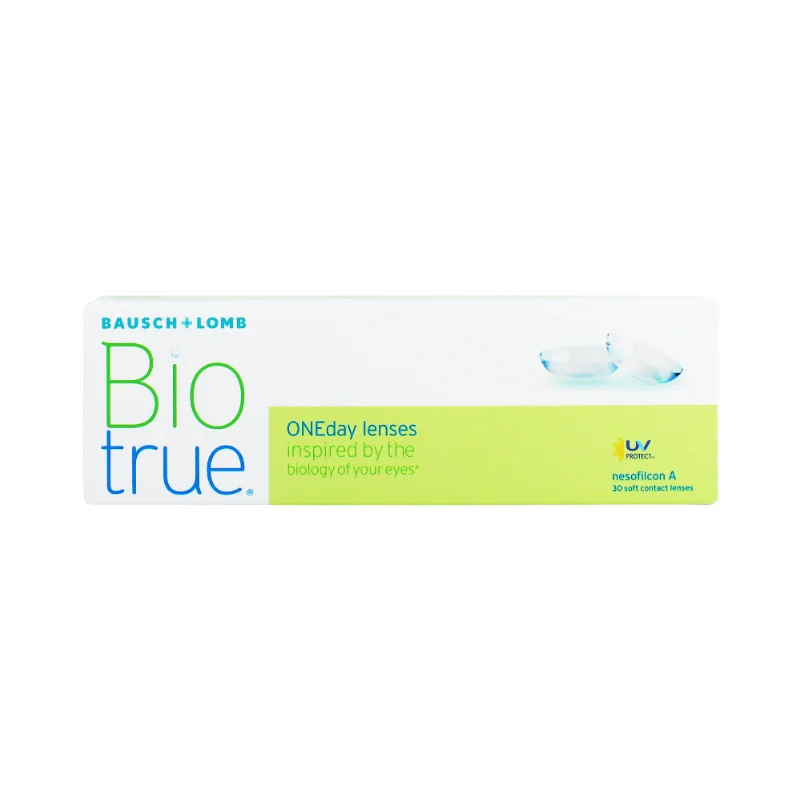
- Biotrue ONEday inspired by the biology of the eye; maintains 98% of its moisture for up to 16 hours for a naturally comfortable daily wearing experience
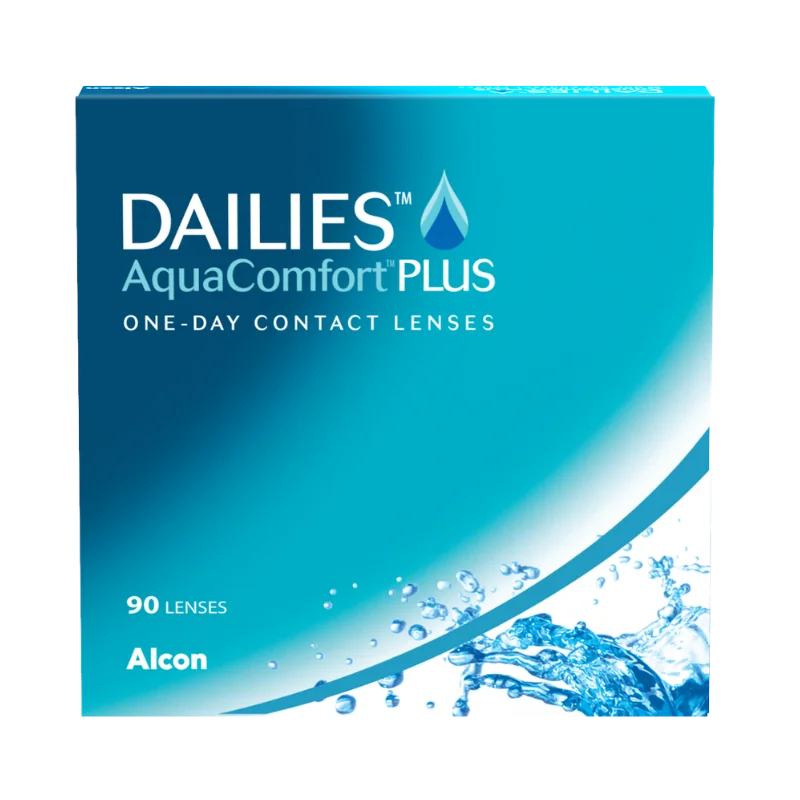
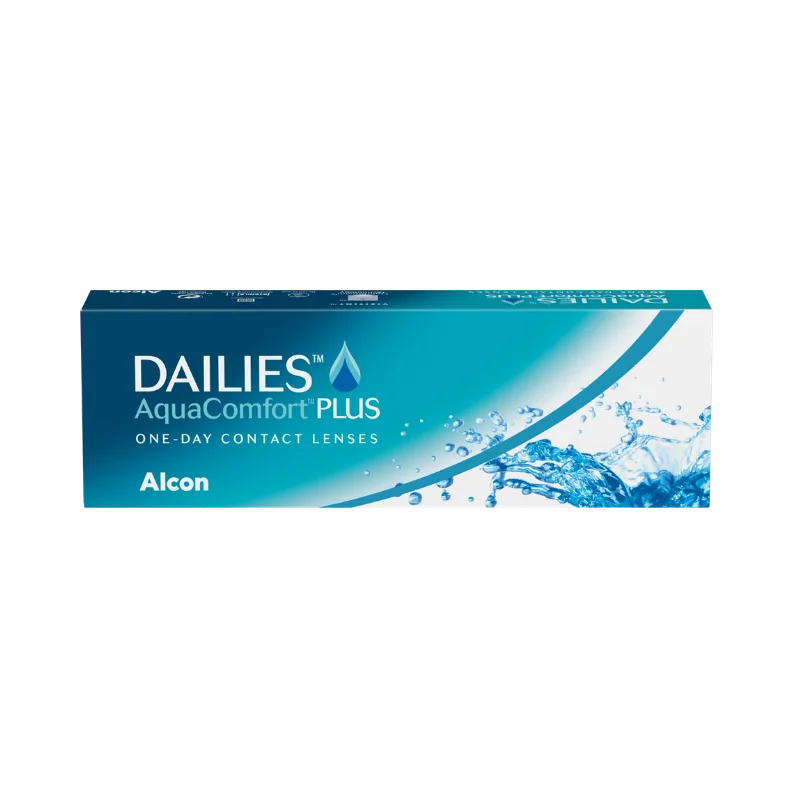
- DAILIES AquaComfort Plus a triple-action moisture release system keeps lenses feeling fresh; a comfortable, budget-friendly everyday daily from Alcon
Fortnightly spherical lenses
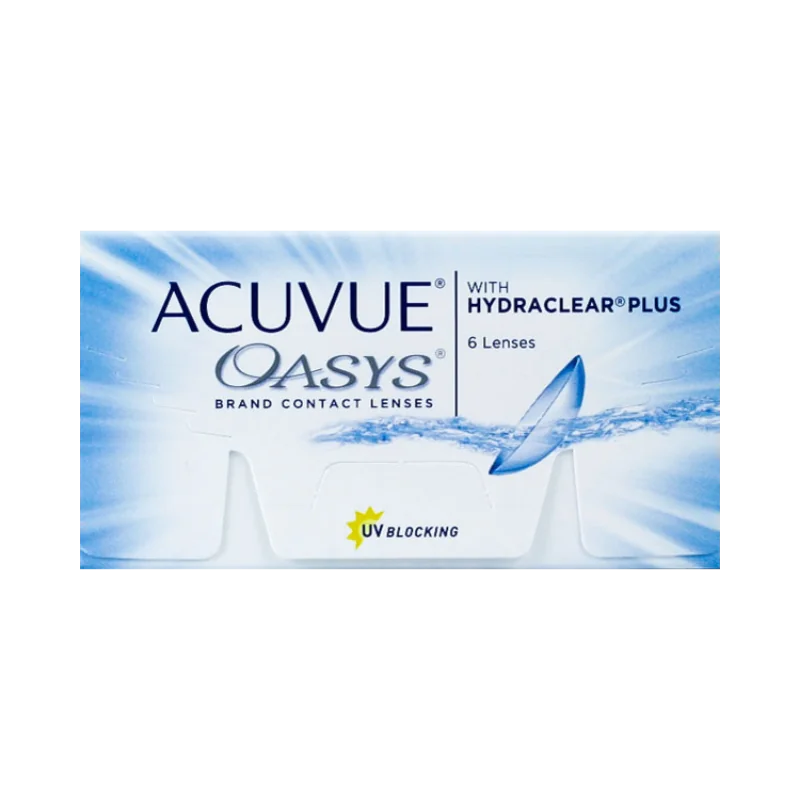
- ACUVUE OASYS one of the most widely prescribed fortnightly lenses in Australia; HYDRACLEAR® Plus Technology delivers exceptional comfort across the full two-week wearing period
Monthly spherical lenses
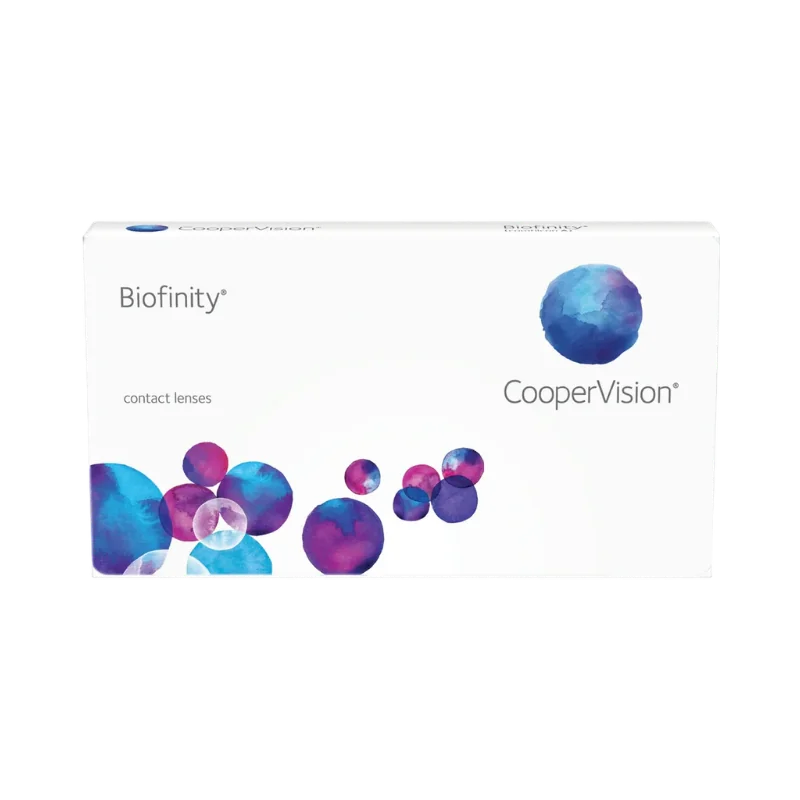
- Biofinity CooperVision's premium silicone hydrogel monthly with Aquaform® Technology for consistent all-day comfort and high oxygen transmissibility
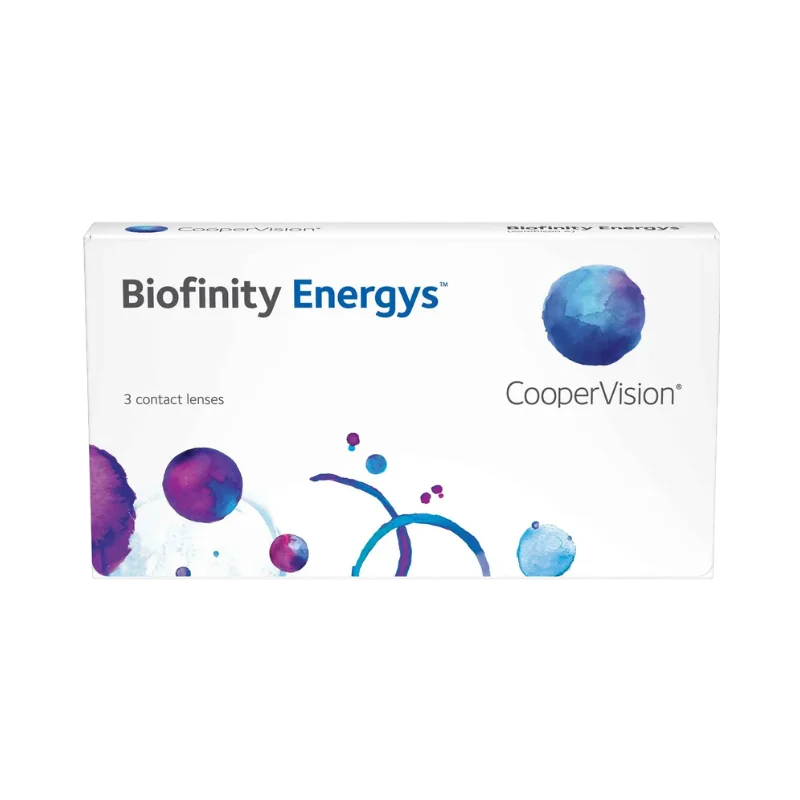
- Biofinity Energys Digital Zone Optics® ease the visual demand of prolonged screen time; ideal for wearers who spend long hours on digital devices
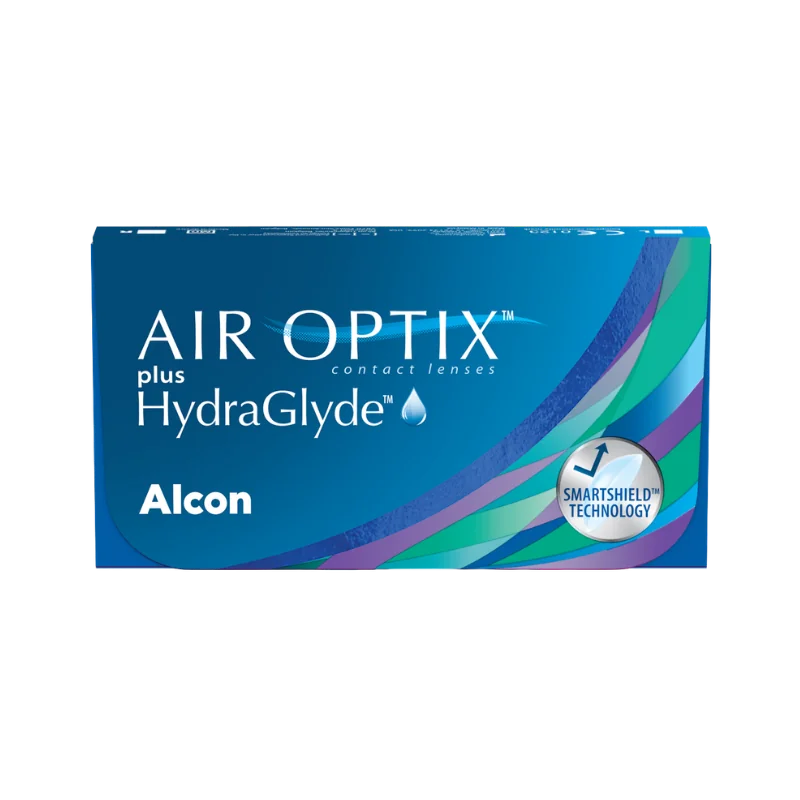
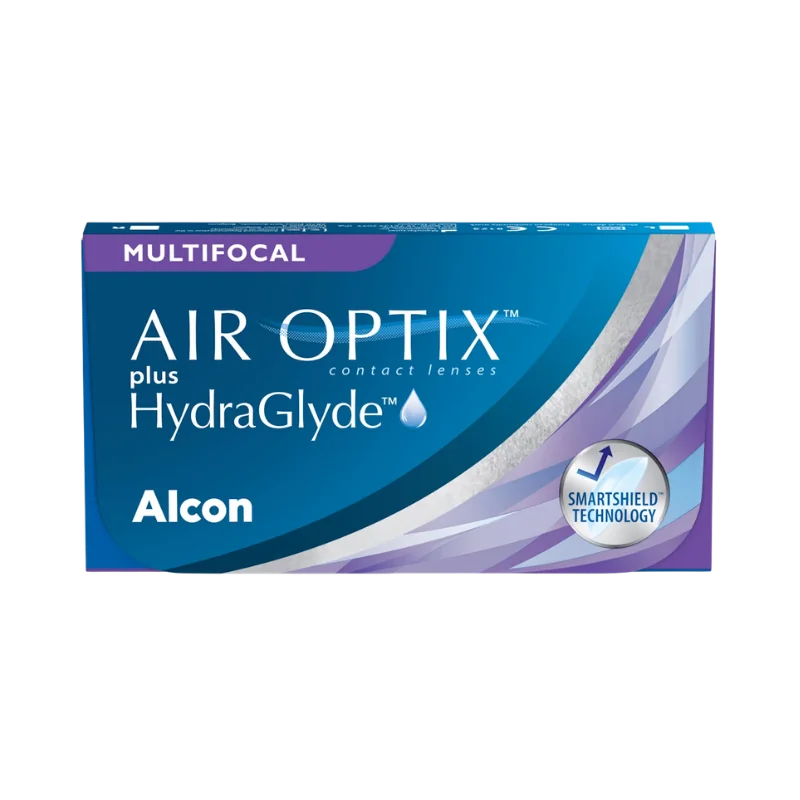
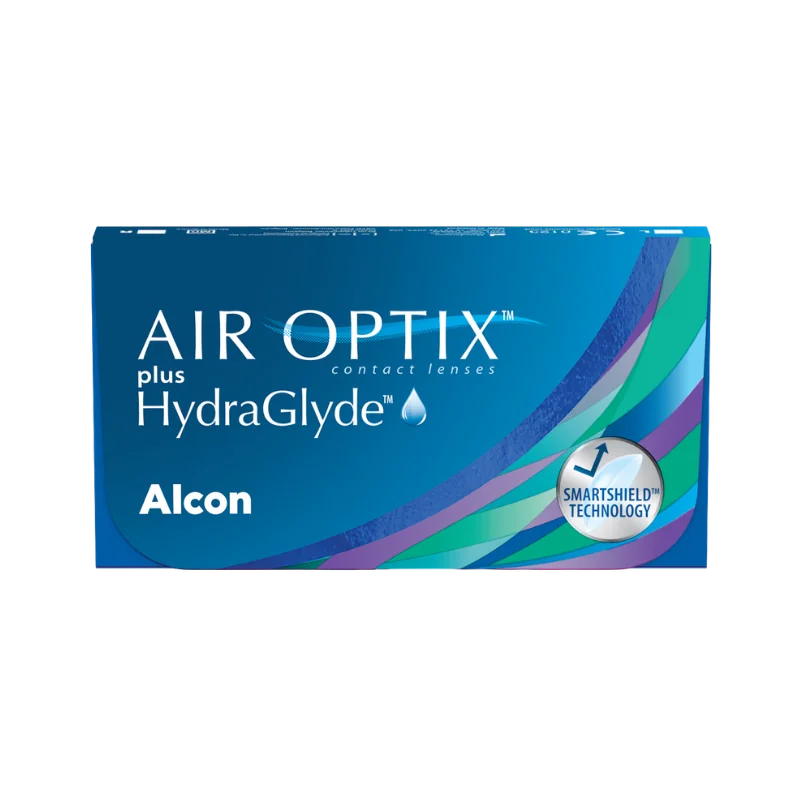
- Air Optix plus HydraGlyde SmartShield® surface technology resists deposit buildup for consistent comfort and clear vision across the full month
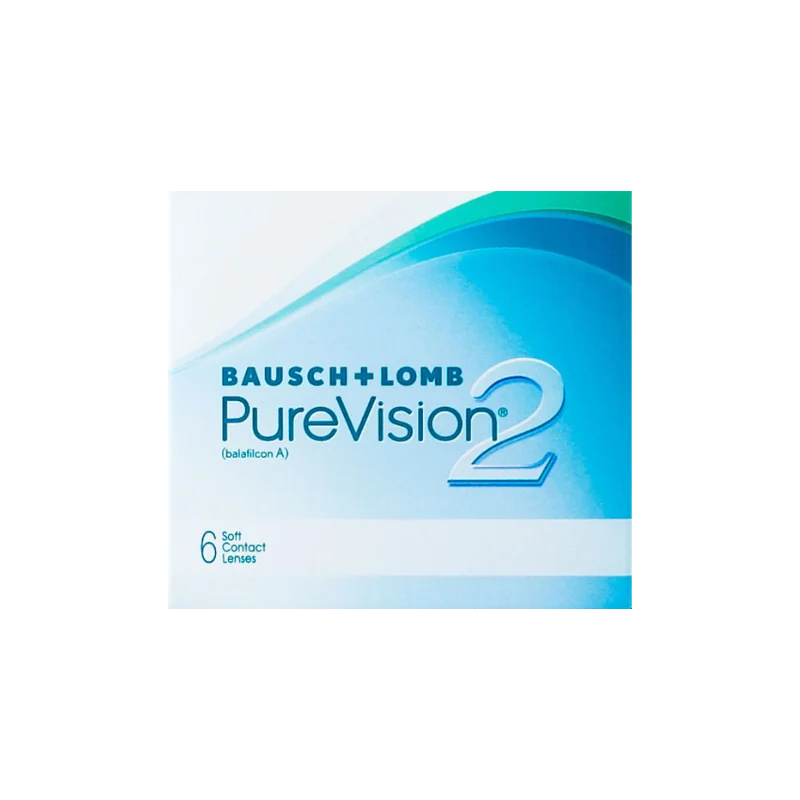
- PureVision 2 HD High Definition™ Optics reduce halos and glare for sharp, clear monthly vision correction from Bausch + Lomb
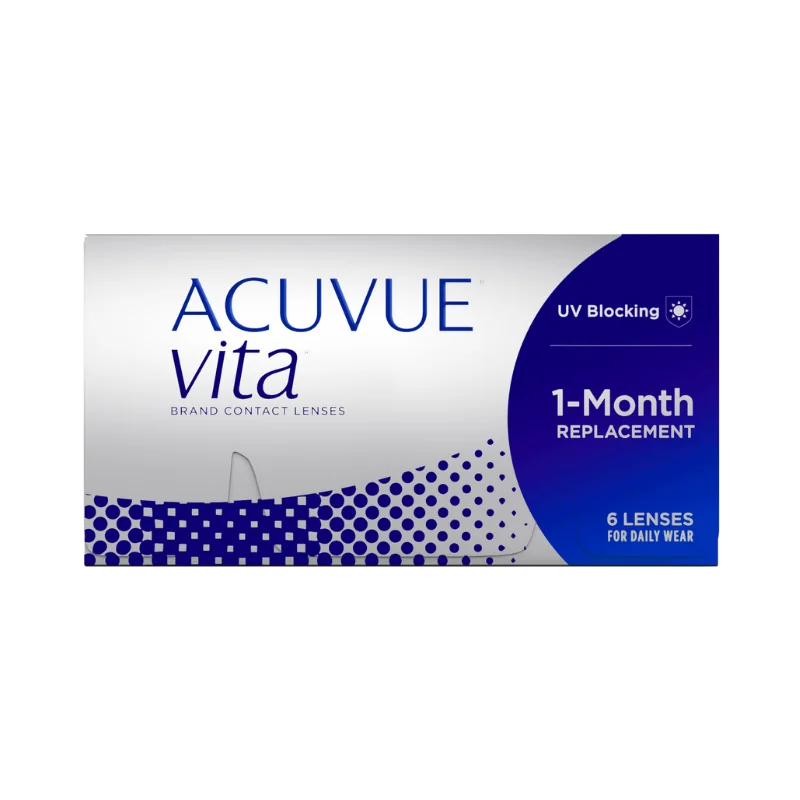
- ACUVUE Vita HydraMax® Technology maintains consistent moisture and comfort throughout the entire 30-day replacement cycle
Frequently Asked Questions
What is a spherical contact lens?
A spherical contact lens has the same optical power across its entire surface. It corrects short-sightedness (myopia) or long-sightedness (hyperopia) using a single, uniform power. If your prescription includes a sphere (SPH) value and no cylinder (CYL) correction, a spherical lens is appropriate for you.
What is the difference between a spherical and a toric contact lens?
A toric lens is specifically designed to correct astigmatism a condition where the cornea is slightly irregular in shape and incorporates different powers at different lens meridians. A spherical lens corrects only short-sightedness or long-sightedness with a uniform power and does not correct astigmatism. If your prescription includes a CYL value, you require a toric lens.
What is the difference between a spherical and a multifocal contact lens?
A multifocal lens is designed for wearers with presbyopia the age-related loss of near focusing ability and incorporates multiple zones to support both distance and near vision correction in one lens. A spherical lens corrects short-sightedness or long-sightedness at a single focal distance only. If you also need reading glasses, your optometrist may recommend a multifocal lens.
Do I need a prescription to buy spherical contact lenses online?
Yes. All contact lenses, including spherical lenses, are classified as prescription medical devices in Australia. You must have a valid contact lens prescription issued by a registered optometrist to purchase them.